
SAP has long served as the operational backbone for many of the world’s leading enterprises, offering unmatched scale, reliability and technical depth.
Yet, for many organisations, the full potential of SAP remains untapped, not due to limitations in the platform itself, but because of entrenched processes, fragmented expertise and the natural inertia that accompanies change. At the heart of this challenge lies a familiar opportunity: bridging the institutional knowledge gap to unlock transformative value.
This invisible gap – where undocumented know-how, legacy processes and shrinking pools of experienced SAP talent collide – has left businesses frustrated by the constraints preventing them from being able to move fast enough. Yet with the rise of AI, particularly in the realm of what we call Intelligent Change Management, a new opportunity is emerging: one where teams are able to match the pace of their business and lead SAP change with clarity and confidence.
Why SAP change stalls
Over the past five decades, SAP has become a critical engine powering much of the world’s economy. But as cloud, SaaS and digital-native technologies attracted fresh talent, available SAP specific expertise has not kept pace with demand. There is an increasing need for expertise, largely fuelled by the migration towards S/4HANA, and younger talent is not entering the industry at a fast enough rate. At the same, many senior SAP professionals have either moved up, moved on or retired. Enterprises are left with strong operational teams but few confident change leaders.
The result of this has been stalled innovation, missed opportunities and growing vulnerability to more agile competitors. Worse still, much of the practical knowledge built over years of SAP usage remains undocumented – institutional knowledge that’s hard to transfer, hard to scale and impossible to automate.
The past can hold you back
However, there’s also a lot to be said for ‘letting go of the past’. In some instances, intuitional knowledge breeds bias, and clinging onto the mindset of “we have always done it this way” doesn’t necessarily align with what the business needs. The ‘known’ ways are no longer the best ways, and keeping pace with the business requires a new way of approaching change. A deep understanding of SAP change, yes, but with an open mind when putting it into practice.
The ability to adapt to what the business needs is mission critical for many enterprises, but institutional knowledge bias is holding them back. What teams really need is visibility into historical change data and tools to assess the risk of upcoming changes to respond faster. But when in doubt, it’s easier for teams to fall back on what they know rather than take a risk on what they don’t. A team’s institutional bias may limit their drive towards Clean Core, building unwanted technical debt.
But you can’t blame them. In competitive markets, the cost of a failed change can outweigh the potential benefits – especially when the true knowledge needed to drive transformation at speed is buried in undocumented experience.
Bridging the knowledge and confidence gap with AI
Now, AI is offering a way forward. With Intelligent Change Management, businesses can use AI and automation to harness the democratisation of the SAP community and source constantly evolving knowledge beyond their own organisational boundaries.
By drawing on historical change data and contextualising it for specific systems and industries, AI platforms can recommend tailored paths for SAP change. Think of it as codifying the experience of thousands of SAP experts – and making that insight available to anyone, instantly.
For enterprises transitioning to SAP S/4HANA before ECC support ends in 2027, this capability is especially valuable. Without proper change planning, these migrations can drain resources and budgets. AI-led change management helps teams model scenarios, anticipate disruptions and build business cases – even without deep SAP expertise in-house.
How Generative AI democratises SAP know-how
The generative AI boom has made intelligent assistance a familiar concept. In SAP change management, similar innovations are making it easier for teams to ask questions, get guidance and make informed decisions with confidence.
The best AI applications in this space act as interactive guide: offering contextual responses to complex questions, surfacing best practices and flagging potential risks. This is critical for gaining stakeholder buy-in – because with SAP change, demonstrating clear ROI and building trust in the process is half the battle.
A reality check: AI isn’t a magic wand
While the benefits of AI in SAP change management are clear, it’s not a silver bullet. AI must be governed, data must be secured, and human oversight must remain central. These tools don’t eliminate the need for skilled professionals – they empower them.
Used wisely, AI doesn’t replace institutional knowledge – it helps extract and amplify it. It turns intuition into insight, and undocumented wisdom into actionable intelligence. But teams still need the right resources, processes and support in place to ensure that AI augments rather than overwhelms.
Embracing the shift
With the rise of AI-powered Intelligent Change Management, teams can make SAP changes at speed as and when the business requires. Enterprises can move from maintenance to momentum, plugging skills gaps, capturing lost knowledge and enabling change at the speed of business.
AI isn’t erasing the institutional knowledge gap overnight, but it is building the bridge to a future where transformation is safer, smarter and more strategic than ever before.
About the Author
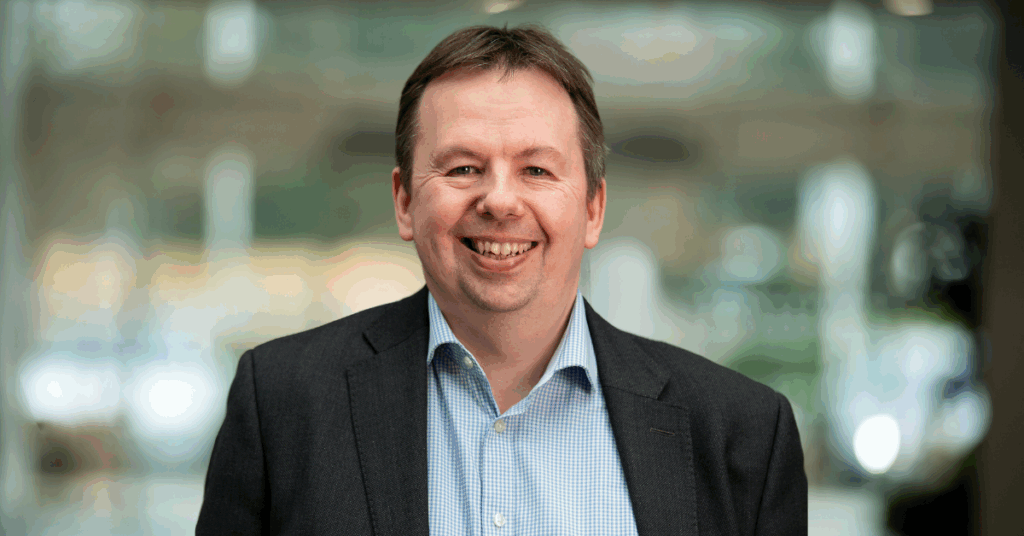
Trevor Ticehurst is Chief Operating Officer at Basis Technologies. We enable every SAP-run business to manage change intelligently – no matter how complex their technology landscape. Our suite of Intelligent Change Management (ICM) solutions harnesses the collective intelligence of the SAP community to help business and technology change teams work together to explore, plan and execute business change imperatives. For over 25 years, we have helped equip, liberate, and champion SAP change heroes at global leaders like Kimberly Clark, 3M, and Vistaprint.


